Draw Inspections for Community Banks
Independent field verification for commercial construction and multifamily draws. We compare each draw request with the work and materials observable at the project site, document relevant conditions with dated photographs, and clearly identify anything that cannot be verified. Your team receives the field information and retains complete authority over every funding decision.
Independent support for every draw
Know what is in place before the money moves
A draw package tells you what the borrower or contractor is requesting. It cannot independently confirm what has been completed or delivered to the project site.
724 Builder closes that gap. We compare the pay application and schedule of values with the work and materials actually observed, document the site with dated photographs, and identify anything that does not reconcile.
Your team receives a clear, independent record of what was requested, what was observed, and what could not be verified — so it can make its own funding decision with better information in the loan file.
The value of independent oversight
The best time to find a discrepancy is before the draw is funded
A draw request may include work that is not yet complete, materials that cannot be located at the project site, unsupported stored materials, unresolved change orders, or progress that does not appear consistent with the amount requested.
We do not argue the request, approve the draw, or tell the bank what to fund. We document what was observable during the inspection, identify the affected line items, and report anything that could not be independently verified.
Your team decides what happens next. Our role is to make sure the discrepancy is visible, specific, and preserved in the loan file.
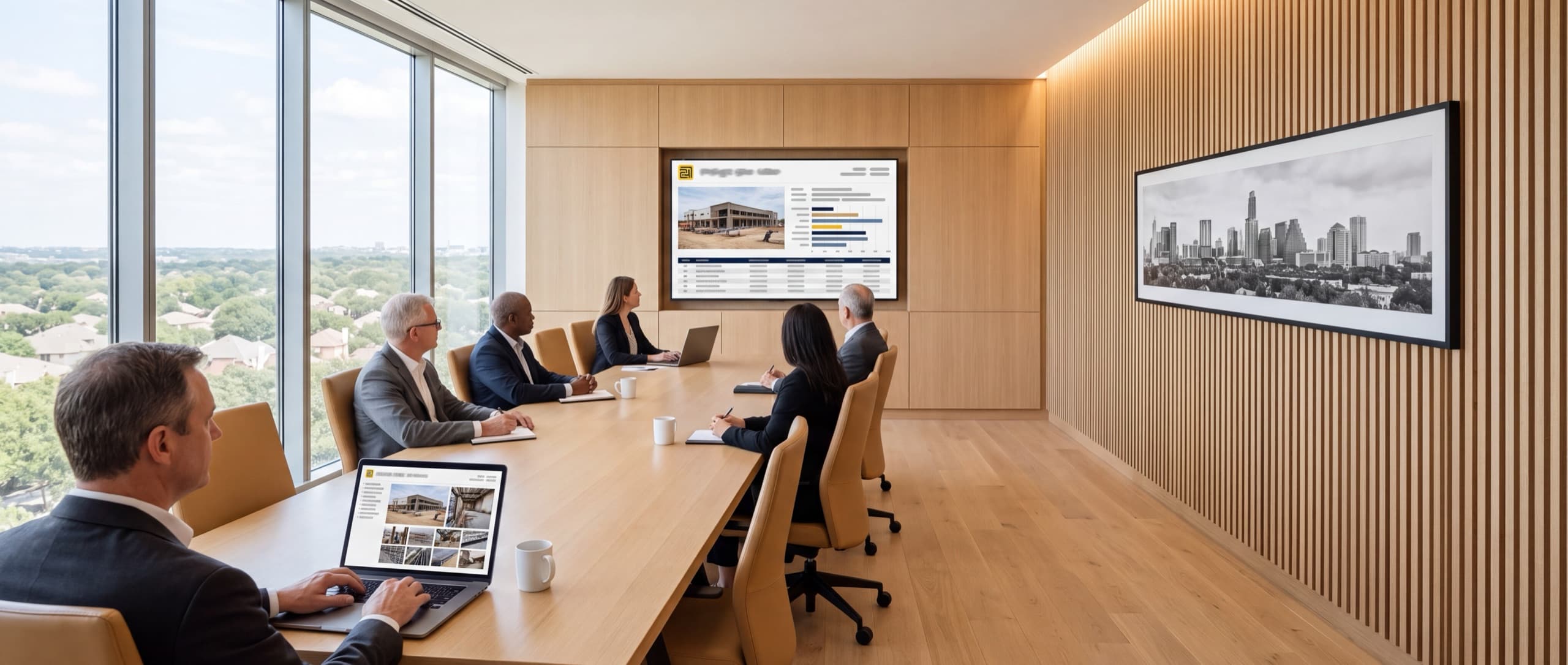
We show you what the draw package cannot
We compare what was requested with what was present and clearly identify anything that did not reconcile.
The report
What lands in your file, every draw
One independent report documenting what was requested, what was observed, and every material discrepancy identified during the inspection.
Built around your draw process
Independent field verification without a new workflow
Your draw process, review standards, and funding authority stay intact. We provide the independent field observations and documentation your team needs at the point where they already belong.
You send the draw package
Send the current pay application, schedule of values, project budget, and relevant supporting documents. We review the request and identify the work and materials that need to be verified in the field.
We walk the project site
We coordinate access, observe the work and materials present, document relevant conditions, and compare our field observations with the current draw request.
We document what does not reconcile
If requested work or materials cannot be observed or independently verified, we identify the applicable line item and clearly document the discrepancy in the report.
The report goes directly to your team
The report is prepared for your loan file and delivered to the people you designate. Your institution reviews the findings, determines what they mean for the draw, and retains sole authority over the funding decision.
We revisit open items on the next draw
Items that could not be verified can be checked during the next inspection, creating a continuing record of what changed and what remained unresolved.
See the difference in the file
Start with one commercial draw
Send us the next commercial draw your team is reviewing. We’ll independently compare the request with the work and materials observed at the project site, document anything that does not reconcile, and deliver the findings directly to your team.